

Ecommerce AI Automation
Ecommerce AI Automation That Plugs the Revenue Leaks in Your Store
Ecommerce AI automation means putting AI and workflow tools to work on the parts of your store that quietly lose money or eat time: carts left before checkout, the endless "where's my order" messages, one-time buyers who never come back, and the manual order and stock work behind the scenes. Built properly, it runs on your real catalog and customer data, inside the platform you already sell on, whether that's Shopify, WooCommerce, or Magento.
Not every store needs this yet. A handful of apps will carry a young store a long way. This page is for merchants whose volume has grown past that point, and it's written to help you decide what's worth automating in your store, what isn't, and where these builds go wrong.
5.0 on Trustpilot
150+ builds shipped
You own the code
multidivs.com — engineered
Your product, engineered

Core Web Vitals
LCP · INP · CLS ✓
owner = "you"
no lock-in
Cart recoveryProduct recommendations Order and inventory syncAI supportEmail, SMS, WhatsAppYou own the dataCart recoveryProduct recommendations Order and inventory syncAI supportEmail, SMS, WhatsAppYou own the data
The honest test
When should you automate your store with AI?
Automate when the same revenue leaks repeat every day, when support drowns in order-status questions, when stock and orders are managed by hand, or when your marketing is too generic to convert. If your order volume is still small, a good app or two will serve you better than a custom build.
"The money in most stores isn't hiding in a new traffic channel. It's in the carts, the order questions, and the one-time buyers you already paid to acquire and then lost.
— Experience marker to insert
Diagnosis
Signs your store is ready to automate
The leaks build quietly. You rarely see one clear break. You see revenue and hours slipping away as volume grows.
01
Carts left behind
Shoppers add to cart and vanish, and your recovery is a single generic email that mostly gets ignored.
02
"Where's my order" flood
Support spends its day answering the same order-status and returns questions by hand.
03
Generic merchandising
Every visitor sees the same products, so the average order value sits flat.
04
Manual order and stock work
Staff push orders to suppliers, update stock, and fix oversells by hand across channels.
05
Buyers who never return
People buy once and never hear from you again, so lifetime value stays low.
06
App sprawl
You've stacked a dozen apps that overlap, conflict, and slow the store down.
Worth it vs not
A straight test, not a sales pitch
Merchants waste money automating too early, or bleed revenue for years doing it all by hand. Here's the line.
AUTOMATE
// ecommerce AI automation earns its cost when
- Cart abandonment, WISMO tickets, or low repeat purchase are costing real revenue every week.
- Order, inventory, or fulfilment work is done by hand across more than one channel.
- Your volume is high enough that small conversion gains beat the build cost.
- Your marketing is too generic to personalise at your catalog size by hand.
- Your app stack has grown into a tangle that no longer works together.
DON'T HIRE US
// hold off when
- Your store is new and low-volume, and a couple of apps already do the job.
- Your product data or policies aren't clean and documented yet. Fix that first.
- You're chasing a trend rather than a leak you can actually point to.
- You want to replace your whole team. That's not what this is for.
Turning away work you don't need is the fastest way we know to earn trust.
In demand right now
10 high-demand ecommerce AI automation use cases
The builders ask for most, and why each one earns its place.
A
AI abandoned cart recovery. Detects abandonment and sends personalised email and SMS at the right moment. Used to win back high-intent shoppers who left before paying.
B
AI product recommendations. Suggests relevant products from browsing and purchase behaviour. Used to lift average order value and conversion.
C
Ecommerce support chatbot and AI agent. Answers product, order, and returns questions instantly from your real data. Used to deflect repetitive tickets around the clock.
D
Order tracking and WISMO automation. Sends proactive shipping updates and answers status queries. Used to cut the single most common ecommerce support ticket.
E
Returns and exchange automation. Handles return requests, rules, and labels end to end. Used to remove manual returns work and resolve them faster.
F
Inventory and stock-sync automation. Keeps stock accurate across channels and flags reorders. Used to prevent overselling and stockouts.
G
Order processing and fulfilment routing. Pushes each order to the right warehouse or supplier automatically. Used to remove manual handling and shipping delays.
H
AI product content generation. Writes and optimises product descriptions and metadata at scale. Used to launch and rank large catalogs faster.
I
Post-purchase and win-back flows. Understands natural speech on the phone and routes or resolves calls. Used to replace rigid menu trees and cut hold times.
J
Dynamic pricing and promotion automation. Adjusts offers by rule, demand, or segment. Used to stay competitive while protecting margin.
Our projects
All projects
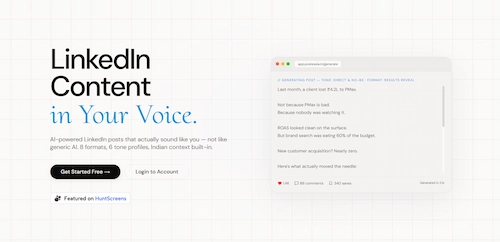
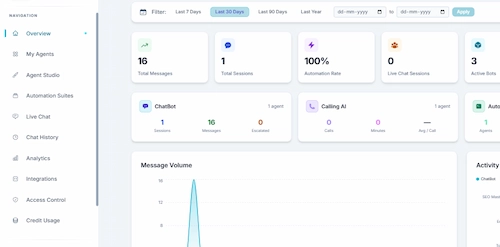
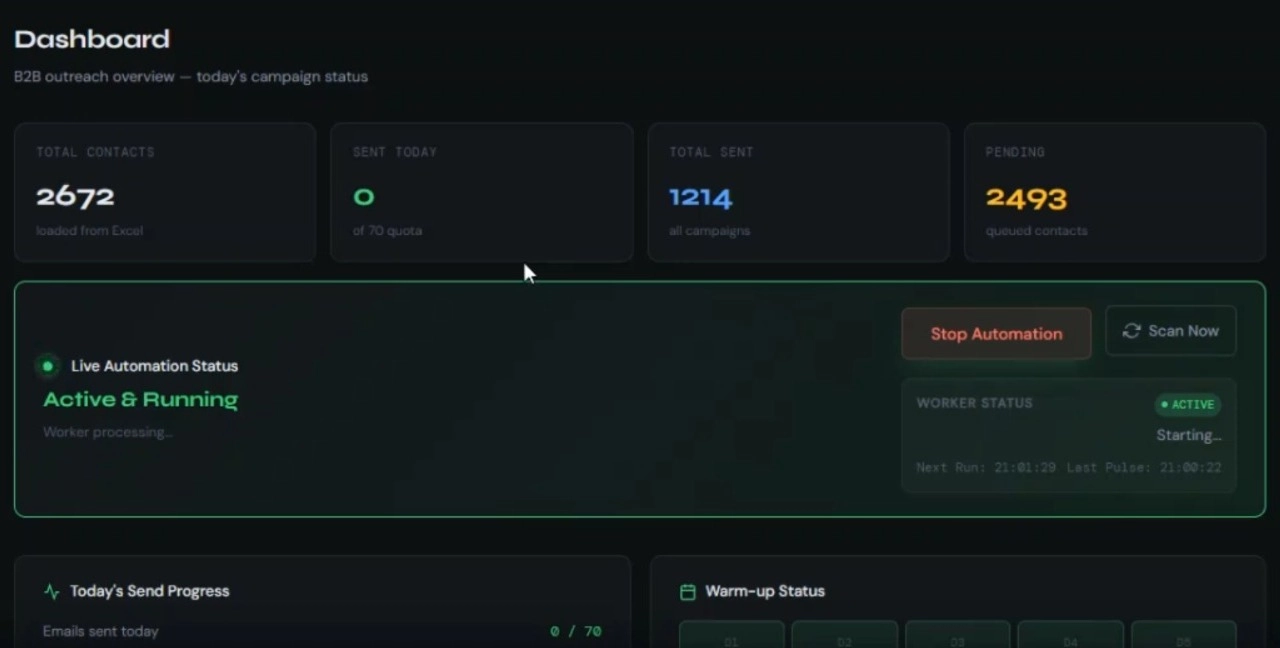
Featured automation work
Our delivery method
The FRAME method: how we build
Most vendors hand you another app. We start with your store's revenue leaks and data, because the automations we get called in to fix almost always break on messy product data and a tangled app stack, not on the AI.
F
STEP 01/05
Frame the store goals
Your leaks, volumes, platform, and what a win looks like in revenue. The build maps to money, not vanity metrics. If an app would do, this is where we say so.
R
STEP 02/05
Research the journey and data
We map the customer journey and check the product, order, and customer data the automation will run on, so nothing breaks on a bad SKU or a missing field.
A
STEP 03/05
Architect the automation
The platform integrations, the recommendation and messaging logic, the order and inventory sync, the discounting guardrails, and the human checkpoints. The stage app installs skip.
M
STEP 04/05
Make: build and test
We build the flows, connect Shopify or WooCommerce and your marketing tools, ground the AI in your catalog, and test on real historical orders before it touches a live customer.
E
STEP 05/05
Evolve after launch
Measure recovered revenue, AOV, and deflection, catch the edge cases, and keep improving. Store automation is tuned continuously, not shipped once.
A focused build takes a few weeks. A full rollout across marketing, support, and operations takes longer. Anyone quoting a firm timeline before the Architect stage is guessing.
Under the hood
What "built properly" actually means
Ecommerce AI automation is a set of engineering decisions, and each one has consequences.
05 · Accuracy
Grounded in your real catalog
Recommendations and answers run on your actual products, stock, and policies, not guesses, so the store never promises what it can't deliver.
<2.5s
LCP
<200ms
INP
<0.1
CLS
01
Platform integration
Connecting to Shopify, WooCommerce, Magento, or BigCommerce over proper APIs, so orders, products, and customers flow without copy-paste.
02
Catalog and customer data
Clean product and customer data feeding the AI, because personalisation and recommendations are only as good as the data behind them.
03
Messaging flow engineering
Email, SMS, and WhatsApp flows timed and personalised to behaviour, not a single generic blast.
04
Order, inventory, and fulfilment sync
Keeping stock and orders consistent across channels and routing fulfilment automatically, so you don't oversell or ship late.
06
Guardrails and safety
Hard limits on discounting and order actions, brand-safe responses, and a refusal to act on low-confidence guesses.
07
Data privacy
Handling customer data to GDPR and UK standards, with consent respected and records kept in systems you control.
08 · Analytics
Recovered cart revenue, AOV, repeat rate, and ticket deflection reported, so you can see exactly what the automation is earning.
Shopify WooCommerce
Magento BigCommerce
Klaviyo Zendesk
GPT and Claude class models WhatsApp Business
Twilio n8n Make
Shopify WooCommerce
Magento BigCommerce
Klaviyo Zendesk
GPT and Claude class models WhatsApp Business
Twilio n8n Make
An honest comparison
App stack vs custom ecommerce automation vs manual
Most vendor content pushes you toward more apps. Here are the real trade-offs, including where custom loses.
| Criteria | App stack | Custom automation | Manual |
|---|---|---|---|
| Cost at low volume | Lowest | Higher | None upfront |
| Cost as volume grows | Climbs per app | Lowest | Highest in hours |
| Fits your exact flow | Rarely | Fully | Fully, slowly |
| Store speed and conflicts | Bloat and clashes | Clean, unified | No tech load |
| Data unified | Scattered per app | One source | Manual |
| Best for | New, small stores | High-volume stores | Rare, bespoke work |
If a couple of apps cover your store, use them. Custom automation wins when volume is high and the leaks cost more than the build.
The payback
How ecommerce automation pays back
It costs more than an app on day one and returns more as you scale. The payback shows up in three places. Measure each against your own baseline before and after.
~8%
Recovered revenue
Personalised, well-timed cart recovery brings back high-intent shoppers a generic email loses, so sales you already earned stop slipping away.
// measured vs your baseline3×
Support deflected
Order-status and returns questions get answered instantly, so your team stops drowning in WISMO and handles the cases that matter.
// tickets vs baseline0
Repeat purchase
Post-purchase and win-back flows turn one-time buyers into repeat revenue, lifting lifetime value from customers you already paid to acquire.
// LTV
Ownership
Do I own the automation? Yes.
You're not locked into a proprietary app or a black box only we can touch. The workflows and configuration are yours, your customer data stays in systems you control, and you can move to another team whenever you want.
// license.config
owner = "you";
lock_in = false;
portable = true;
owner = "you";
lock_in = false;
portable = true;
Learn from these
Common mistakes in store automation
The failures we get called in to fix repeat themselves..
A
Running recommendations and recovery on messy product data, so the store promises what it can't ship.
B
Stacking overlapping apps until they conflict and slow the store down.
C
No discounting limits, so automated offers quietly erode margin.
D
Generic, untimed messages that read like spam and get ignored.
E
Treating launch as done, with no measurement of recovered revenue or edge cases.
Answered directly
Frequently asked questions
What is ecommerce AI automation?
Using AI and workflow tools to run the repetitive parts of an online store: recovering abandoned carts, recommending products, answering order and returns questions, and syncing inventory and orders, built around your store and connected to the platform you sell on.
Which platforms do you build on?
Shopify, WooCommerce, Magento, and BigCommerce, connected to your email, SMS, WhatsApp, and CRM tools.
How is this different from more Shopify apps?
Apps handle single features and often overlap, conflict, and slow the store. Custom automation connects your whole flow, cart to fulfilment, into one system with your data unified instead of scattered.
Will the AI make wrong decisions on orders or discounts?
No. We set hard limits on discounting and order actions, keep a human checkpoint on anything sensitive, and ground the AI in your real catalog and policies.
How long does setup take?
A focused build like cart recovery or a support agent usually takes a few weeks. A full rollout takes longer. We scope against your store data before quoting.
Do I own the automation and customer data?
Yes. The workflows and configuration are yours, with no lock-in, and your customer data stays in systems you control, handled to GDPR and UK standards.
Ready when you are
Find out what's leaking in your store
Tell us your platform and where you're losing revenue or time. If ecommerce AI automation is the answer, we'll come back with a scope and a recommendation. If a couple of apps serve you better, we'll tell you that too.
+91 9898 927 052 · contact@multidivs.com